Invisalign for Confidence at Work and Social Events
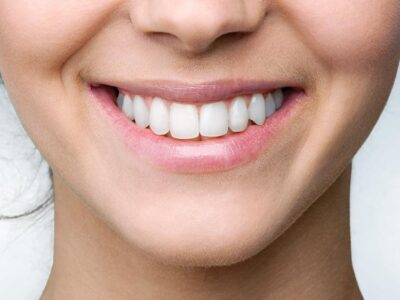
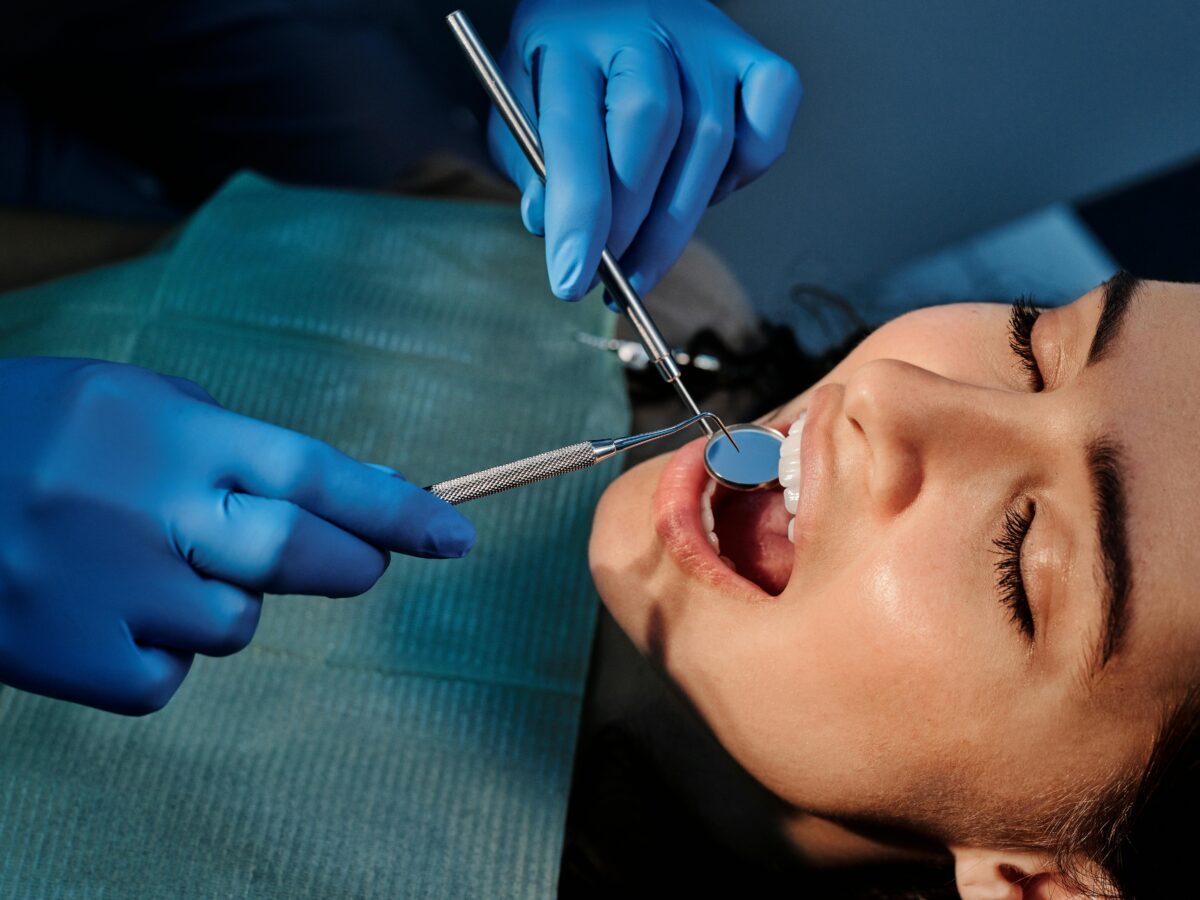
Confidence at work is rarely about one thing. It comes from preparation, presence, timing, and the quiet sense that you can speak without second-guessing yourself. The same is true at weddings, dinners, birthdays, networking events, and first dates. People often assume orthodontic treatment is only about straight teeth, but in practice it reaches much further. When adults choose Invisalign, they are often responding to a social reality as much as a dental one. They want to improve their smile without putting their professional image on hold.
That distinction matters. Many adults have spent years managing a smile they do not love. Some cover their mouth when they laugh. Some angle their face away in photos. Some speak in meetings with a habitual restraint that has become so normal they barely notice it. Others are not especially self-conscious, but they have reached a stage in life where they want to fix crowding, spacing, or bite problems before they worsen. Invisalign appeals to this group because it fits into a full calendar with relatively little disruption.
What makes the system attractive is not just that the aligners are clear. It is that treatment can happen while life keeps moving. You can still present in a boardroom, attend a client lunch, show up for family pictures, or make a toast at a friend’s engagement party without the visual prominence of brackets and wires. For many adults, that balance is the whole point.
Why adults often delay orthodontic treatment
By the time someone is established in a career, orthodontic concerns are usually not new. They have often been around since the teenage years, or they developed gradually as teeth shifted with age. Lower front crowding is a familiar example. A person may have had relatively straight teeth in their early twenties, then notice by their thirties or forties that one or two teeth have rotated or overlapped. It can happen slowly enough that they adapt to it, until one day they see a candid photo or a recorded presentation and think, I did not realize it had become that noticeable.
Traditional braces remain a good treatment option in many cases, but adults frequently hesitate because of appearance, comfort, and convenience. They worry about how metal braces may be perceived in client-facing roles. They picture food catching around brackets during business meals. They imagine wedding photos, speaking engagements, and holiday gatherings framed by appliances they would rather not display. Those concerns are not vanity in a shallow sense. They are practical concerns about how a person feels while moving through visible parts of adult life.
Invisalign entered that conversation by offering a different trade-off. The aligners are not invisible at close range, and any honest provider should say so. People can see them, especially when they are looking directly at your teeth. Still, they are far subtler than fixed braces. At normal conversational distance, most people notice them far less than patients expect. That lower visual profile can be enough to remove the emotional barrier that kept treatment off the table for years.
The link between smile confidence and professional presence
A confident smile does not guarantee career success, and straight teeth are not a substitute for substance. Yet presentation matters in professional settings, especially where communication is central. Sales, leadership, consulting, recruiting, hospitality, public relations, law, and healthcare all involve repeated face-to-face interactions. A person who feels awkward about their teeth may compensate in ways that affect their presence. They may smile less, maintain less eye contact, or avoid speaking spontaneously.
I have seen this play out with adults who are excellent at their jobs. They know the material. They prepare thoroughly. They are respected by colleagues. Yet when they stand up to lead a meeting or attend a networking event, a small undercurrent of self-consciousness appears. It shows up in family photos too, but work is where many people feel it most acutely because the stakes seem higher. The issue is not that others are scrutinizing every tooth. The issue is that the person believes they are being scrutinized, and that belief shapes behavior.
When Invisalign works well for an adult patient, the benefit often arrives in two phases. The first is immediate and surprisingly simple. They feel relief that they are finally addressing a problem they had been postponing. That alone can lift confidence because indecision is exhausting. The second phase develops later, as the teeth begin to straighten and the person realizes they no longer think about their smile as often. Their attention shifts back to the meeting, the conversation, the event itself. That is where real confidence lives, not in obsessing less over appearance, but in having enough comfort to forget about it.
What Invisalign is actually like in daily professional life
The marketing version of Invisalign can make treatment sound effortless. Reality is more nuanced. It is convenient, but it requires discipline. Clear aligners only work well when they are worn for most of the day, usually in the range your provider recommends, often around 20 to 22 hours daily. That means meals, coffee habits, travel routines, and social plans need some adjustment.
For working adults, the transition tends to be manageable after the first couple of weeks. Speech may feel slightly different at first, particularly with sounds like s and z. Most patients adapt quickly, but if you have a major presentation scheduled the day after starting a new set of aligners, you may notice a brief lisp or mild awkwardness. It is rarely severe, but it is real. A sensible strategy is to begin a new tray a day or two before lower-pressure workdays, or in the evening, so your mouth has time to adjust before an important event.
There is also the question of meetings and meals. If your job involves frequent lunches, client dinners, or conference coffee breaks, Invisalign asks for more planning than many people expect. You remove the aligners to eat and drink anything other than water. Then you need to rinse or brush before putting them back in. This is not difficult, but it is not optional if you want to avoid staining, odor, or an increased risk of decay. Adults who do well with Invisalign typically develop a compact routine and stop treating it like a major event.
A small kit helps. Most patients benefit from carrying a toothbrush, travel toothpaste, floss picks, and a case. Not because treatment is complicated, but because life gets chaotic. The person who tosses aligners into a napkin during a restaurant meal is the same person who may accidentally throw them away. It happens more often than clinics like to admit.
Social settings where clear aligners make the biggest difference
There are some moments in adult life where discretion matters more. Engagement photos, weddings, milestone birthdays, reunions, holiday parties, conferences, and dating all come up often in consultation rooms. People want to improve their smile, but they do not want treatment to become the first thing others notice.
This is where Invisalign has a practical edge. In photographs, clear aligners are usually less prominent than braces, especially in natural light and from a normal distance. They can still create a slight sheen in close-up flash photography, but most adults find the trade worthwhile. At a cocktail party or crowded dinner, the visual impact is minimal enough that many people forget the aligners are there.
There is also a psychological https://medium.com/@omnidentalspecialty/about advantage in social situations. Adults often tell me that once they start treatment, they stop postponing photos. They are not waiting for some perfect future version of their smile before showing up fully in the present. The aligners represent progress, and progress has its own confidence. That may sound subtle, but it matters. A person who feels they are moving toward a goal carries themselves differently than someone who feels stuck with a problem.
Dating is another area where perceptions can be more forgiving than patients fear. Most adults react neutrally or positively when someone mentions they are using Invisalign. It tends to register as self-care, not vanity. Braces can also be completely fine in dating contexts, of course, but clear aligners often feel more aligned with the understated confidence many adults prefer.
Where the confidence boost is real, and where it is oversold
It is worth being candid here. Invisalign can improve confidence, but it does not automatically cure insecurity. If someone expects orthodontic treatment to transform every part of their social life or career, they may be disappointed. Teeth matter, but they exist inside a much larger picture that includes grooming, communication, health, posture, and emotional resilience.
The more grounded expectation is this: Invisalign can remove a persistent source of self-consciousness and make it easier to feel at ease in visible moments. That can be significant. It may help a person smile more naturally in photos, speak up more readily in meetings, or stop editing their expression at social events. Those are meaningful gains. But treatment works best when it is seen as one practical investment in overall self-presentation, not as a magical reset.
There are also adults who start treatment and discover that the confidence lift comes less from aesthetics than from control. They like having a plan. They like seeing measurable progress every one or two weeks as trays change. They like correcting a bite issue that had been causing wear or discomfort. In those cases, the confidence is less about looking polished and more about feeling proactive.
The less glamorous side that patients should know
The smoother the sales pitch, the more important honest detail becomes. Invisalign is often easier than braces, but easier does not mean effortless. Attachments, small tooth-colored shapes bonded to the teeth, are commonly part of treatment. They help the aligners grip and move teeth predictably. Up close, attachments can make the system more noticeable than some patients expect. They are still subtler than metal brackets, but they are not nothing.
Refinements are another reality. Many patients need additional aligners after the first series is complete. Teeth do not always move exactly on schedule. This is normal, not a failure, but it can extend treatment. If you are planning around a major wedding or a once-in-a-decade professional event, build in a buffer. Do not assume the shortest estimate you hear will be the exact finish date.
There is also the matter of compliance. Invisalign is forgiving in appearance, not in biology. If the aligners sit in a case all afternoon, the treatment slows down or loses accuracy. Adults with demanding jobs sometimes underestimate this. They assume that because they are responsible in every other area of life, they will naturally be compliant. Then travel, long lunches, late dinners, and fatigue get in the way. The patients who succeed are not necessarily the most motivated at the start. They are the ones who build repeatable habits.
A few common friction points are worth keeping in mind:
- Drinking coffee slowly over several hours becomes harder because aligners should come out, or the trays may stain.
- Snacking mindlessly at a desk loses its appeal when every snack means removing and replacing trays.
- Public speaking may feel slightly different for a short adjustment period with each new set.
- Social drinking requires some forethought, especially if colored mixers or wine are involved.
- Wearing trays after whitening toothpaste or strong mouthwash can sometimes make the mouth feel dry or irritated.
None of this is dramatic, but it is better to know it upfront than feel blindsided.
Work travel, long events, and the people who manage treatment best
Frequent travelers often worry that Invisalign will become a nuisance. In reality, it depends on the person’s style of travel. A consultant flying twice a week with neat routines may manage aligners beautifully. A sales executive moving from breakfast meeting to airport to dinner without breaks may find it more challenging. Neither scenario is impossible, but they require different levels of planning.
Air travel itself is not the issue. The issue is irregularity. Early flights, delayed connections, back-to-back meetings, and restaurant meals can make wear time slip. For business travelers, I usually recommend simplifying everything possible. Keep duplicate supplies in a carry-on. Use phone reminders if necessary. If an evening event runs late, put the aligners back in before the ride home rather than waiting until bedtime and risking forgetfulness.
Long social events create their own version of the same challenge. Weddings are a classic example. There is often a ceremony, a cocktail hour, dinner, speeches, dancing, and a late-night snack. If you remove aligners at the start and forget about them until midnight, the day adds up quickly. On the other hand, many adults decide to leave the aligners out for a special event and simply resume good wear afterward. That kind of occasional flexibility is often manageable if it is not the norm. The right answer depends on treatment stage, provider guidance, and how often these exceptions happen.
Choosing timing strategically
One of the smartest decisions adults can make is not just whether to pursue Invisalign, but when. Starting treatment two weeks before a major conference, wedding, media appearance, or important family photo session may not be ideal. The first trays usually bring the steepest learning curve. Mild tenderness, slight speech changes, and new hygiene habits are easier when the calendar is relatively calm.
If a patient has a truly important event coming up, it can be reasonable to wait a short period and start afterward, or to start far enough in advance that the adjustment phase is long past by the event date. Orthodontic treatment is a medium-term project. A few weeks of strategic timing can make the experience feel significantly smoother.
This is also where realistic planning matters around photos. Some adults want perfectly straight teeth for a wedding six months away. Depending on the case, that may be possible, or it may not. Mild alignment cases can improve quickly, especially cosmetically visible front teeth. More complex bite changes take longer. A responsible provider will explain what can reasonably improve within a set timeframe and what cannot. That honest framing helps patients make better decisions and prevents the disappointment that comes from wishful scheduling.
How Invisalign compares emotionally with braces for adults
The clinical comparison between braces and Invisalign can be complex, but emotionally the divide is often straightforward. Adults choosing Invisalign usually value privacy, flexibility, and a treatment style that blends into their established identity. They do not want orthodontics to become their defining visual feature for the next year or two.
That does not mean braces are inferior. In some cases they are more efficient, more predictable, or simply better suited to the tooth movement required. Some adults also do not mind the look of braces and prefer not to worry about removing aligners at all. But for image-conscious professionals and socially active adults, Invisalign often reduces friction. It allows treatment to feel integrated into life rather than imposed on it.
That feeling matters. When treatment aligns with a person’s routines and self-image, they are more likely to stay committed. And commitment, more than marketing language, is what produces results.
A practical way to tell if Invisalign fits your life
The easiest way to judge whether Invisalign is a good confidence-building choice is to ignore the advertisements for a moment and ask three plain questions. Do you care enough about your teeth to wear aligners consistently? Does your schedule allow at least basic hygiene discipline after meals? And would a lower-profile treatment option make you more likely to begin rather than postpone orthodontic care again?
If the answers are yes, Invisalign can be an excellent fit. It tends to work especially well for adults who are motivated, organized enough to follow through, and keenly aware of how they present themselves in professional and social settings. It is often less about perfection than about removing resistance. When treatment feels manageable, people start. When they start, they often wish they had done it sooner.
The confidence that lasts after treatment
The most meaningful phase is not the first week in clear aligners or even the first compliment from a colleague who notices the improvement. It is the point when a person stops thinking about their smile before speaking. That shift is easy to underestimate until it happens. Confidence after orthodontic treatment is often quiet. It looks like joining the group photo without hesitation. It sounds like laughing fully at a dinner table. It feels like walking into a presentation focused on the message rather than on whether anyone is noticing a crooked front tooth.
Invisalign is not the only path to that result, and it is not the right path for every case. Still, for adults balancing ambition, visibility, and a full social calendar, it offers a practical way to improve their smile without stepping out of their lives to do it. That is the real appeal. Not invisibility, not perfection, but progress that supports the way people already work, meet, speak, celebrate, and show up.
Omni Dental Specialty
Address: 1690 E Gonzales Rd, Oxnard, CA 93036
Phone number: +18053666000
FAQ About Invisalign
How much does Invisalign actually cost?
The out-of-pocket cost for Invisalign typically ranges between $3,000 and $8,000, with most patients paying a national average of roughly $5,100 to $5,700 before insurance.
What is the downside to Invisalign?
The biggest downsides to Invisalign are the intense discipline required to wear the trays 22 hours a day, the inconvenience of removing them to eat or drink, and the inability to fix severe, complex orthodontic issues.
Is $5000 a lot for Invisalign?
No, $5,000 is not considered a lot for Invisalign; it is exactly the national average. Treatment costs typically fall between $3,000 and $8,000, and $5,000 is the standard fee for a moderately complex case that takes 6 to 18 months to complete.